



Maintaining a healthy diet while traveling in the Balkans can seem challenging, especially when you are surrounded by delicious traditional dishes, tempting pastries, and generous restaurant portions. However, with a little planning and mindful eating, it is entirely possible to enjoy the region’s incredible cuisine while staying on track with your health goals.
The Balkans are home to some of Europe’s most diverse and flavorful foods. From fresh salads and grilled seafood to hearty soups, yogurt-based dishes, and seasonal fruits, there are plenty of nutritious options available throughout the region. Whether you are exploring the mountains of Bulgaria, the Adriatic coast of Croatia, the historic cities of Serbia, or the charming villages of Albania, healthy eating opportunities can be found almost everywhere.
Before planning your meals, consider reading our Balkan Travel Guide to better understand the region’s cultures, cuisines, and destinations.
A recipe has no soul. You, as the cook, must bring soul to the recipe.
Thomas Keller
This guide will show you how to maintain a healthy diet while traveling in the Balkans, including practical nutrition tips, healthy local foods to try, and simple strategies that help you stay energized throughout your journey. By making smart food choices and enjoying local cuisine in moderation, you can experience the best of Balkan food culture without sacrificing your wellness goals.
Why Eating Healthy While Traveling Matters
Travel is an exciting opportunity to discover new places, cultures, and foods, but it can also disrupt your normal eating habits. Long travel days, irregular meal schedules, and constant access to rich local dishes can make it easy to overeat or choose less nutritious options. Maintaining a healthy diet while traveling in the Balkans helps ensure that you have the energy and stamina needed to fully enjoy your trip.
Healthy eating can improve your overall travel experience in several ways. A balanced diet supports your immune system, helps maintain stable energy levels, improves digestion, and reduces feelings of fatigue. When you fuel your body with nutritious foods, you are more likely to feel energized during sightseeing, hiking, walking tours, and other activities.
The Balkans offer many opportunities to eat well because traditional cuisine often includes fresh vegetables, fruits, legumes, fish, dairy products, and grilled meats. By focusing on these wholesome ingredients and limiting highly processed foods, travelers can enjoy authentic local flavors while supporting their health.
Another benefit of eating healthy while traveling is avoiding common travel-related issues such as dehydration, digestive discomfort, and sluggishness. Drinking enough water, eating fiber-rich foods, and choosing balanced meals can help you feel your best throughout your journey.
Rather than viewing healthy eating as a restriction, consider it a way to enhance your travel experience. The goal is not to avoid local foods but to enjoy them thoughtfully while maintaining a healthy balance. This approach allows you to experience the best of Balkan cuisine while supporting your long-term wellness goals.
Challenges Of Maintaining A Healthy Diet In The Balkans
While maintaining a healthy diet while traveling in the Balkans is certainly possible, travelers may face a few challenges along the way. The region is famous for its generous hospitality, rich traditional cuisine, and large portion sizes, all of which can make healthy eating more difficult if you are not prepared.
One of the biggest challenges is the abundance of tempting foods. Many Balkan countries are known for pastries such as burek, sweet desserts like baklava, grilled meats, and hearty comfort foods that are often high in calories. These dishes are delicious and worth trying, but eating them frequently throughout your trip can quickly add up.
Another challenge is the irregular schedule that often comes with travel. Long drives, sightseeing excursions, and transportation delays can lead to skipped meals or unhealthy snacking. When travelers become overly hungry, they are more likely to choose fast food or larger portions than they normally would.
Dining out frequently can also make it harder to maintain healthy habits. Restaurant meals often contain more oil, salt, and calories than meals prepared at home. In popular tourist areas, some restaurants may cater to international tastes by offering highly processed foods instead of traditional local dishes.
Hydration can also become an issue, especially during the summer months when temperatures can be quite high in many Balkan destinations. Dehydration may cause fatigue, headaches, and reduced energy levels, making it important to drink water consistently throughout the day.
The good news is that these challenges can be managed with a little planning and awareness. By choosing fresh local foods, controlling portion sizes, staying hydrated, and balancing indulgent meals with healthier options, you can enjoy the best of Balkan cuisine while maintaining a healthy diet during your travels.
Eat Traditional Balkan Foods Made With Fresh Ingredients
One of the easiest ways to maintain a healthy diet while traveling in the Balkans is to embrace traditional local cuisine. Unlike heavily processed convenience foods, many authentic Balkan dishes are prepared using fresh vegetables, fruits, herbs, dairy products, legumes, seafood, and grilled meats. These wholesome ingredients provide essential nutrients while allowing travelers to experience the region’s unique culinary traditions.
Across the Balkans, local markets are filled with seasonal produce that often comes directly from nearby farms. Tomatoes, cucumbers, peppers, eggplants, onions, and leafy greens are staples in many traditional recipes. Fresh ingredients not only taste better but also provide valuable vitamins, minerals, and antioxidants that support overall health.
Salads are particularly popular throughout the region. Dishes such as Shopska salad, Greek salad, and various seasonal vegetable combinations are commonly served alongside main meals. These fresh salads help increase your vegetable intake while adding flavor and variety to your diet.
Travelers will also find many healthy protein options. Grilled fish is widely available along the Adriatic and Aegean coasts, while grilled chicken, lamb, and lean cuts of meat are common throughout inland areas. Legume-based dishes such as bean soups and stews offer additional sources of protein and fiber.
Travelers interested in learning more about Traditional Balkan Food will discover countless healthy dishes made with fresh ingredients and regional flavors.
Fermented dairy products, including yogurt and kefir, are another important part of Balkan cuisine. These foods contain beneficial probiotics that may support digestive health, which can be especially helpful during travel.
By focusing on traditional meals made with fresh ingredients, you can enjoy authentic Balkan flavors while maintaining a balanced and nutritious diet throughout your trip. Choosing local foods often provides a healthier alternative to fast food and highly processed snacks, making it easier to stay energized and feel your best while exploring the region.
10 Tips For Maintaining A Healthy Diet While Traveling In The Balkans
Exploring the Balkans offers countless opportunities to enjoy incredible food, from fresh seafood and colorful salads to traditional grilled dishes and homemade desserts. While it is tempting to indulge at every meal, maintaining a healthy diet while traveling in the Balkans is all about balance. By making a few smart choices each day, you can enjoy local cuisine without sacrificing your health goals.
The following tips will help you stay energized, hydrated, and nourished throughout your Balkan adventure while still experiencing the region’s rich culinary traditions.
More Read

Eat Local Foods
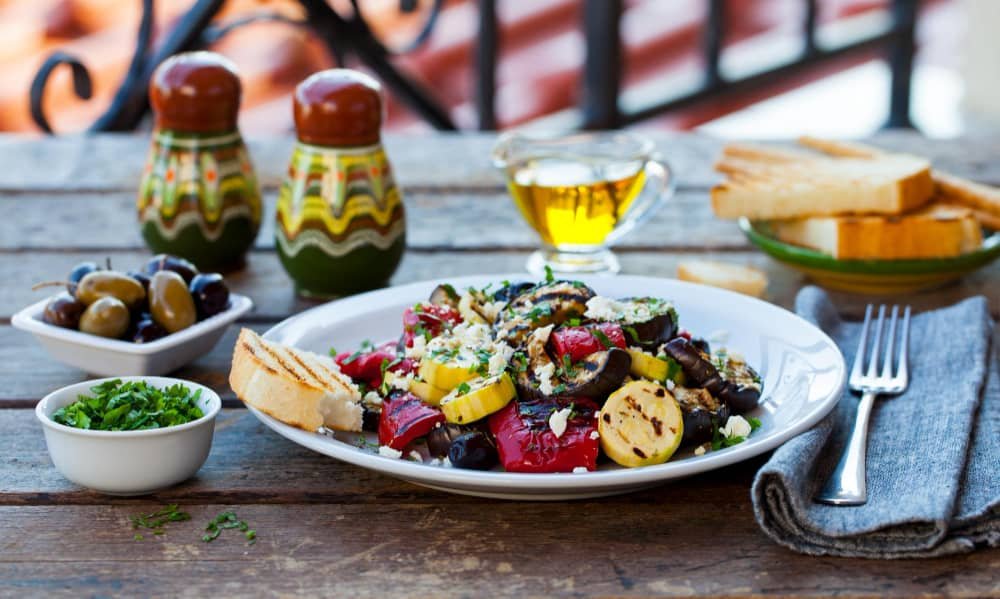
One of the best ways to maintain a healthy diet while traveling in the Balkans is to embrace local cuisine. Traditional Balkan food is often made with fresh ingredients sourced from nearby farms and markets. Instead of relying on international fast-food chains or highly processed convenience foods, travelers can enjoy authentic dishes that provide both flavor and nutritional value.
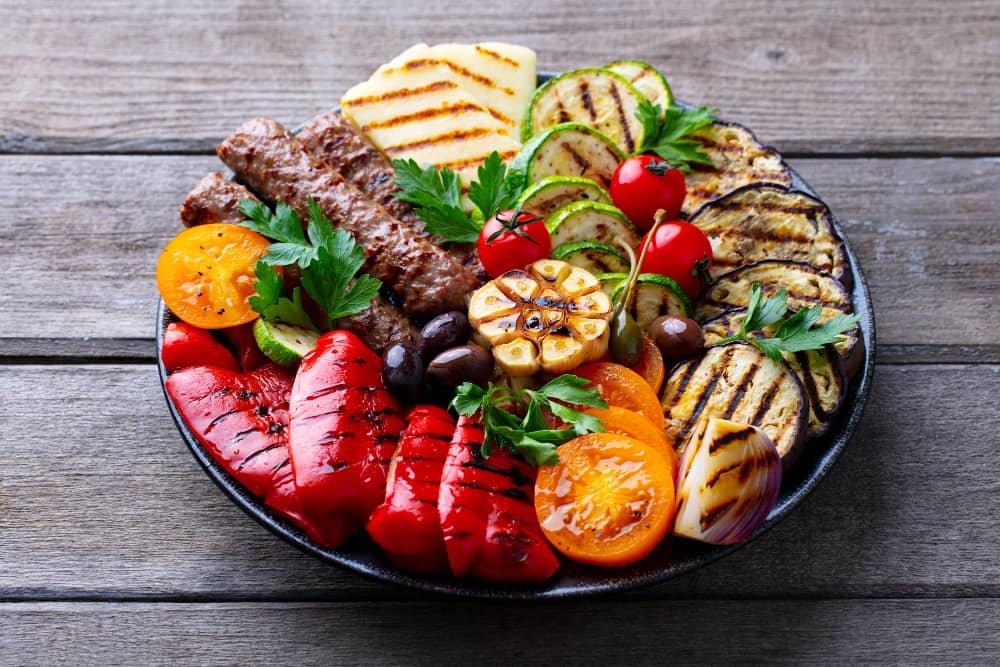
Many Balkan countries have a strong agricultural tradition, which means fresh vegetables, fruits, herbs, dairy products, and locally raised meats are widely available. Popular dishes such as Shopska salad, grilled fish, bean soups, stuffed peppers, and yogurt-based meals offer a healthy balance of protein, fiber, vitamins, and minerals. These meals are often more nutritious than heavily processed foods commonly found in tourist areas.
Eating local also allows you to connect with the culture and traditions of the region. Visiting local markets, family-owned restaurants, and village taverns provides an opportunity to experience authentic Balkan hospitality while making healthier food choices. In many cases, traditional recipes have been passed down through generations and continue to focus on simple, wholesome ingredients.
By choosing fresh local foods whenever possible, you can enjoy the unique flavors of the Balkans while maintaining a healthy diet and supporting local communities during your travels.
Choose Simple And Fresh Meals
When traveling through the Balkans, it can be tempting to sample every rich and indulgent dish that comes your way. While there is nothing wrong with enjoying local specialties occasionally, choosing simple and fresh meals most of the time can help you maintain a healthy diet while traveling in the Balkans.
Look for dishes centered around vegetables, lean proteins, legumes, and whole foods. Fresh salads, grilled meats, seafood, vegetable soups, and roasted vegetables are widely available throughout the region. These meals tend to be lower in calories while still providing the nutrients your body needs for sightseeing, hiking, and exploring.
Simple meals are also easier to digest, which can be especially important during long travel days. Heavy foods loaded with oil, cream, or excessive amounts of cheese may leave you feeling sluggish and uncomfortable. In contrast, lighter meals help maintain steady energy levels and support better digestion.
A useful strategy is to follow the local Mediterranean-inspired eating style common in coastal areas of Croatia, Montenegro, Greece, and Albania. These meals often feature fresh vegetables, olive oil, fish, and herbs, making them both satisfying and nutritious.
When dining out, do not hesitate to ask for grilled rather than fried options or request extra vegetables on the side. Small adjustments like these can make a significant difference over the course of a longer trip.
Avoid Highly Processed Foods
Processed foods can be convenient when you are traveling, but they are rarely the healthiest option. Many packaged snacks, sugary drinks, fast-food meals, and convenience foods contain high amounts of sodium, sugar, unhealthy fats, and artificial ingredients. While these foods may provide a quick energy boost, they often leave travelers feeling tired and hungry again shortly afterward.
One of the advantages of traveling in the Balkans is the abundance of fresh food available throughout the region. Local markets, bakeries, grocery stores, and restaurants often offer fresh fruits, vegetables, nuts, yogurt, cheeses, and grilled dishes that are far more nutritious than heavily processed alternatives.
When choosing snacks, opt for fresh fruit, nuts, seeds, yogurt, or locally produced cheeses instead of chips, candy bars, and sugary pastries. These healthier options provide vitamins, minerals, protein, and fiber that help maintain steady energy levels throughout the day.
Reading food labels can also be helpful when shopping in supermarkets. Look for products with simple ingredient lists and avoid foods with excessive added sugars, preservatives, or artificial flavors. While it is perfectly fine to enjoy a local treat occasionally, making fresh foods the foundation of your diet will help you maintain better health during your travels.
By limiting processed foods and focusing on whole, nutrient-dense ingredients, you can enjoy a more balanced diet while exploring the Balkans and avoid the energy crashes that often accompany unhealthy eating habits.

Bring Healthy Snacks For The Road
Travel days can be unpredictable. Long bus rides, delayed trains, road trips through remote mountain regions, and extended sightseeing excursions can make it difficult to find healthy food exactly when you need it. Bringing healthy snacks with you is one of the simplest ways to maintain a healthy diet while traveling in the Balkans.
Having nutritious snacks readily available helps prevent excessive hunger, which often leads to poor food choices. When travelers become overly hungry, they are more likely to purchase fast food, oversized meals, or unhealthy convenience snacks simply because they are the easiest option available.
Some excellent travel-friendly snacks include fresh apples, bananas, oranges, mixed nuts, trail mix, protein bars, roasted chickpeas, whole-grain crackers, and dried fruit. These foods are easy to carry, require little preparation, and provide lasting energy between meals.
If you have access to local markets, consider purchasing fresh seasonal fruit each morning before starting your day. The Balkans are known for producing delicious peaches, cherries, plums, grapes, apples, and berries, depending on the season. These fruits make excellent healthy snacks while allowing you to enjoy local flavors.
Packing healthy snacks also saves money and reduces the temptation to rely on expensive tourist-area convenience stores. With a little preparation, you can stay satisfied throughout the day while continuing to make smart nutritional choices.
Plan Your Meals Ahead Of Time
A little planning can make a significant difference when trying to maintain a healthy diet while traveling in the Balkans. Without a plan, it is easy to end up skipping meals, overeating, or relying on whatever food happens to be available at the moment.
Before arriving in a new destination, spend a few minutes researching local restaurants, grocery stores, farmers markets, and healthy dining options. Many Balkan cities have excellent restaurants that serve fresh seafood, grilled meats, salads, soups, and traditional dishes made with wholesome ingredients.
If you know you will be spending an entire day sightseeing, consider planning where you will eat lunch and dinner in advance. This reduces stress and helps prevent last-minute decisions driven by hunger. Having a rough meal plan also allows you to balance indulgent meals with healthier choices throughout the day.
Travelers staying in apartments or accommodations with kitchen facilities can benefit from preparing simple breakfasts or snacks. Stocking up on yogurt, fruit, vegetables, nuts, and whole-grain products provides convenient healthy options that support your overall nutrition goals.
Meal planning does not mean eliminating spontaneity from your travels. Instead, it gives you the flexibility to enjoy local cuisine while ensuring that healthy eating remains part of your travel experience. A small amount of preparation can help you stay energized and feel your best throughout your Balkan adventure.
Practice Mindful Eating
Travel often involves busy schedules, packed itineraries, and eating meals on the go. While it may be tempting to rush through meals between attractions, practicing mindful eating can help you maintain a healthy diet while traveling in the Balkans and improve your overall travel experience.
Mindful eating simply means paying attention to what you eat and how your body responds. Instead of eating quickly or while distracted by your phone, take the time to enjoy the flavors, aromas, and textures of each meal. This allows you to fully appreciate traditional Balkan cuisine while helping you recognize when you are satisfied.
One common mistake travelers make is overeating because portions can be quite large throughout the Balkans. Restaurant servings often exceed what many people normally eat at home. Eating slowly gives your body time to signal fullness, making it easier to avoid consuming more food than necessary.
Mindful eating can also help reduce digestive discomfort. When you eat too quickly, your body may struggle to properly digest food, leading to bloating or stomach discomfort. Taking your time and chewing thoroughly supports better digestion and nutrient absorption.
Whether you are enjoying a seaside meal in Croatia, a traditional tavern in Serbia, or a family-owned restaurant in Bulgaria, slowing down and savoring your food can make every meal more enjoyable while helping you maintain healthier eating habits.

Avoid Eating Late at Night
Many Balkan countries have vibrant nightlife and dining cultures, with restaurants, cafes, and taverns remaining open well into the evening. While enjoying a late-night meal occasionally is part of the travel experience, making it a daily habit can negatively affect your health and wellness goals.
Eating large meals shortly before bedtime may interfere with digestion and sleep quality. Your body requires time to process food, and going to bed immediately after eating can leave you feeling uncomfortable or restless during the night. Poor sleep can then affect your energy levels, appetite, and food choices the following day.
Travelers often find themselves snacking late at night after social events, long sightseeing days, or evening entertainment. Unfortunately, these late-night meals are frequently high in calories and may include fried foods, pastries, pizza, or sugary treats that provide little nutritional value.
To maintain a healthy diet while traveling in the Balkans, try to eat your main meals earlier in the day whenever possible. If you find yourself hungry later in the evening, choose lighter options such as fruit, yogurt, nuts, or a small salad rather than a heavy meal.
Maintaining a consistent eating schedule can also help regulate hunger and support better digestion. While there is no need to avoid evening dining completely, practicing moderation and avoiding oversized late-night meals can help you feel healthier and more energized throughout your trip.
Stay Hydrated Throughout The Day
Staying hydrated is one of the simplest yet most important aspects of maintaining a healthy diet while traveling in the Balkans. Whether you are exploring historic cities, hiking mountain trails, relaxing on the coast, or spending long hours on public transportation, your body needs adequate hydration to function properly.
Dehydration can cause fatigue, headaches, dizziness, reduced concentration, and digestive issues. Many travelers mistakenly interpret thirst as hunger, leading them to snack unnecessarily when their body actually needs water.
During the warmer months, temperatures in parts of the Balkans can become quite high, particularly in coastal regions and southern destinations. Increased physical activity combined with hot weather can significantly increase your body’s hydration needs.
A good habit is to carry a reusable water bottle with you throughout the day. Refill it whenever possible and take regular sips rather than waiting until you feel thirsty. Drinking water before meals can also help prevent overeating and support healthy digestion.
Fresh fruits and vegetables can contribute to hydration as well. Watermelon, cucumbers, tomatoes, oranges, and other produce commonly found throughout the Balkans contain high amounts of water and valuable nutrients.
By prioritizing hydration during your travels, you will maintain better energy levels, improve your overall well-being, and make it easier to enjoy everything the Balkans have to offer.
Limit Alcohol And Sugary Drinks
Sampling local beverages is part of the travel experience, and the Balkans are known for their wines, beers, fruit brandies, and traditional drinks. However, excessive consumption of alcohol and sugary beverages can make it more difficult to maintain a healthy diet while traveling in the Balkans.
Alcoholic drinks often contain a significant number of calories while providing little nutritional value. In addition, alcohol can increase appetite, making it easier to overeat during meals. It may also contribute to dehydration, fatigue, and poor sleep quality, which can affect your energy levels and overall travel experience.
Sugary drinks present similar challenges. Soft drinks, sweetened coffees, energy drinks, and flavored beverages often contain large amounts of added sugar that can cause rapid spikes and crashes in blood sugar levels. These fluctuations can leave you feeling tired and hungry shortly after consumption.
This does not mean you need to completely avoid local drinks. Enjoying a glass of Croatian wine, Bulgarian rakia, Serbian craft beer, or Greek wine can be part of a balanced travel experience. The key is moderation. Alternate alcoholic beverages with water and try to limit sugary drinks whenever possible.
Healthier beverage options include water, sparkling water, herbal teas, unsweetened coffee, and freshly squeezed juices. Many Balkan countries have strong tea and coffee traditions, providing plenty of enjoyable alternatives to sugary drinks.
Making mindful beverage choices can help you stay hydrated, maintain steady energy levels, and support your overall health throughout your journey.
Get Enough Sleep And Rest
Good nutrition and quality sleep go hand in hand. Even the healthiest diet can be undermined if you are constantly tired and sleep-deprived. Getting enough rest is an often-overlooked part of maintaining a healthy diet while traveling in the Balkans.
When you do not get enough sleep, your body produces hormones that increase hunger and cravings, particularly for sugary foods and high-calorie snacks. This can make it much more difficult to make healthy food choices throughout the day. Fatigue can also reduce motivation to exercise, explore, or stay active while traveling.
Travel schedules often disrupt normal sleeping patterns. Early flights, overnight transportation, changing accommodations, and busy sightseeing itineraries can all contribute to poor sleep quality. Taking steps to prioritize rest can significantly improve both your physical and mental well-being during your trip.
Try to maintain a relatively consistent sleep schedule whenever possible. Create a relaxing bedtime routine, limit screen time before bed, and avoid consuming large meals, alcohol, or excessive caffeine late in the evening. If you are crossing time zones, spend time outdoors during daylight hours to help your body adjust more quickly.
Adequate sleep helps support immune function, improves mood, boosts energy levels, and makes it easier to maintain healthy eating habits. By combining nutritious food choices with proper rest, you can fully enjoy your Balkan adventure while feeling your best each day.
Healthy Balkan Foods To Try
One of the biggest advantages of traveling in the Balkans is the abundance of fresh, flavorful, and nutritious food. While every country in the region has its own culinary traditions, many dishes share common ingredients such as vegetables, legumes, yogurt, seafood, olive oil, herbs, and lean meats. These foods can help travelers maintain a healthy diet while still enjoying authentic local cuisine.
Fresh Balkan Salads
Fresh salads are among the healthiest foods you can find throughout the Balkans. They are often made with locally grown vegetables that are harvested at peak freshness. One of the most famous examples is Shopska salad, a colorful combination of tomatoes, cucumbers, peppers, onions, and grated cheese.
Greek salad is another popular option, particularly in Greece and coastal regions. Many restaurants also serve seasonal vegetable salads featuring cabbage, carrots, lettuce, olives, and fresh herbs. These dishes are rich in vitamins, minerals, antioxidants, and fiber while remaining relatively low in calories.
Grilled Fish And Seafood
The Adriatic and Aegean coasts offer an abundance of fresh seafood that can be part of a healthy travel diet. Grilled fish is one of the healthiest choices available and is commonly served in Croatia, Montenegro, Albania, and Greece.
Popular seafood options include sea bass, sea bream, sardines, octopus, mussels, shrimp, and squid. These foods provide high-quality protein and omega-3 fatty acids that support heart and brain health. Choosing grilled seafood instead of fried options helps reduce unnecessary calories and unhealthy fats.
Traditional Bean And Lentil Dishes
Legumes have been a staple of Balkan cuisine for centuries. Bean soups, lentil stews, and chickpea dishes are filling, affordable, and highly nutritious.
Traditional dishes such as Bulgarian bob chorba, Serbian bean soup, and Greek lentil soup provide excellent sources of plant-based protein and dietary fiber. These meals help keep you full for longer periods and provide steady energy for sightseeing and outdoor activities.
Yogurt And Fermented Dairy Products
The Balkans are known for their high-quality dairy products, particularly yogurt. Fermented dairy products have been part of the region’s culinary traditions for generations and are often enjoyed at breakfast or as a side dish.
Yogurt contains beneficial probiotics that may support digestive health, which can be particularly useful while traveling. Kefir and other fermented dairy drinks are also popular in several Balkan countries and can help maintain a healthy digestive system during your trip.
Seasonal Fruits From Local Markets
Fresh fruit is widely available throughout the Balkans and makes an ideal healthy snack. Depending on the season, travelers can enjoy peaches, cherries, apricots, plums, apples, grapes, figs, watermelons, and berries.
Local farmers’ markets often offer produce that is fresher and more flavorful than supermarket alternatives. Choosing seasonal fruits allows travelers to enjoy natural sweetness while benefiting from essential vitamins, minerals, and antioxidants.
Grilled Meats And Lean Protein Options
Protein-rich meals are easy to find throughout the Balkans. Grilled chicken, turkey, fish, and lean cuts of pork or lamb are common menu items in many restaurants.
Protein helps support muscle recovery, keeps you feeling satisfied, and provides long-lasting energy. Pairing grilled meats with vegetables or salads instead of fried sides creates a healthier and more balanced meal.
Mediterranean-Inspired Coastal Dishes
Many coastal regions of the Balkans follow a Mediterranean-style eating pattern that emphasizes fresh ingredients and simple preparation methods. Meals often include fish, seafood, olive oil, vegetables, legumes, and herbs.
This style of eating has long been associated with various health benefits, including improved heart health and better overall nutrition. Travelers visiting Croatia, Montenegro, Albania, and Greece will find plenty of opportunities to enjoy healthy Mediterranean-inspired dishes while exploring the region.
Many coastal dishes follow the principles discussed in our guide to Mediterranean Diet Benefits, making them an excellent choice for health-conscious travelers.
Foods To Enjoy In Moderation
While the Balkans offer many healthy foods, the region is also famous for rich comfort foods and indulgent desserts. These traditional specialties are worth trying, but enjoying them in moderation can help you maintain a healthy diet while traveling in the Balkans.
Burek And Savory Pastries
Burek is one of the most popular foods in the Balkans and can be found in bakeries throughout the region. It is typically made with layers of flaky pastry filled with cheese, meat, spinach, or potatoes.
Although delicious, burek is often high in calories, saturated fat, and refined carbohydrates. Enjoying it occasionally as part of a balanced diet is a great way to experience local culture without overindulging.
Grilled Meats With Large Portions
The Balkans are famous for grilled meat dishes such as cevapi, pljeskavica, and various sausages. While these foods provide protein, portion sizes can often be quite large.
Sharing larger portions or pairing meat dishes with salads and vegetables can help create a more balanced meal while still allowing you to enjoy local specialties.
Traditional Balkan Desserts
No visit to the Balkans would be complete without sampling some traditional desserts. Baklava, tulumba, krempita, and various cakes are popular throughout the region.
These treats are often rich in sugar, syrup, butter, and pastry layers. While they are certainly worth trying, limiting portion sizes can help prevent excessive sugar intake during your travels.
Fried Street Foods
Street food is an important part of Balkan culture, and many vendors offer delicious fried snacks. Fried dough, fried cheese, fried potatoes, and other crispy treats are commonly available in markets and tourist areas.
Although these foods can be enjoyable occasionally, they are often high in calories and unhealthy fats. Choosing grilled or baked alternatives more frequently can support healthier eating habits.
Sugary Drinks And Sweetened Beverages
Many travelers consume more sugary drinks than usual while on vacation. Soft drinks, flavored coffees, sweet teas, and energy drinks can quickly add significant amounts of sugar to your daily diet.
Water, sparkling water, herbal tea, and freshly squeezed juices are healthier alternatives that help support hydration and overall wellness.
Alcoholic Drinks And Local Spirits
The Balkans are known for excellent wines, craft beers, and traditional spirits such as rakia. Sampling local beverages can be a memorable part of the travel experience, but moderation is important.
Alcohol can contribute extra calories, dehydration, and poor sleep quality if consumed excessively. Drinking water between alcoholic beverages can help reduce these effects and support better overall health.
Balancing Indulgence With Healthy Choices
Travel is about enjoying new experiences, including food. The goal is not to avoid every indulgence but rather to create balance. If you enjoy a rich dessert or a traditional pastry, consider choosing lighter meals for the rest of the day.
By focusing primarily on fresh vegetables, fruits, lean proteins, seafood, legumes, and whole foods while occasionally enjoying local treats, you can experience the best of Balkan cuisine without sacrificing your health goals. This balanced approach makes maintaining a healthy diet while traveling in the Balkans both realistic and enjoyable.
If you want to recreate these meals at home, browse our Healthy Balkan Recipes collection for inspiration.
Benefits Of Choosing Local And Seasonal Foods
Choosing local and seasonal foods is one of the easiest ways to maintain a healthy diet while traveling in the Balkans. Fresh produce harvested during its natural growing season often contains more nutrients, better flavor, and fewer preservatives than foods transported over long distances.
Throughout the Balkans, local markets play an important role in everyday life. Farmers sell freshly harvested fruits, vegetables, herbs, dairy products, and other ingredients that are often grown just a short distance away. Shopping at these markets allows travelers to enjoy authentic regional flavors while supporting local communities.
Seasonal foods are typically richer in vitamins, minerals, and antioxidants because they are harvested at their peak ripeness. During the summer months, travelers can enjoy fresh tomatoes, cucumbers, peppers, cherries, peaches, apricots, and watermelons. In autumn, grapes, apples, pears, figs, and pumpkins become widely available.
Eating locally also provides an opportunity to discover traditional recipes that have been enjoyed for generations. Many Balkan dishes are built around seasonal ingredients, creating meals that are naturally balanced and nutritious.
Another advantage of choosing local foods is affordability. Fresh produce sold at local markets is often less expensive than imported products found in supermarkets, making it easier to eat healthy without increasing your travel budget.
By prioritizing local and seasonal ingredients whenever possible, travelers can enjoy fresher meals, better nutrition, and a more authentic Balkan travel experience.
Healthy Eating Tips For Balkan Road Trips
Road trips are one of the best ways to explore the Balkans. Whether driving along the Adriatic coast, through the mountains of Bulgaria, or across the countryside of Serbia and Romania, travelers often spend long hours on the road. Without proper planning, road trips can lead to unhealthy eating habits and excessive snacking.
One of the most effective strategies is to prepare healthy snacks before starting your journey. Fresh fruit, mixed nuts, seeds, yogurt, whole-grain crackers, and protein bars are convenient options that provide lasting energy between meals.
Whenever possible, stop at local markets instead of convenience stores. Farmers’ markets often offer fresh seasonal produce, homemade dairy products, and healthy local specialties that are far more nutritious than processed snacks.
Staying hydrated is equally important during long drives. Carry a reusable water bottle and drink regularly throughout the day. Proper hydration helps maintain concentration, reduces fatigue, and supports overall health.
Travelers planning a longer journey may find our Balkan Road Trip Itinerary helpful for discovering scenic routes, local markets, and authentic restaurants.
When stopping for meals, choose restaurants that serve traditional Balkan dishes made with fresh ingredients. Grilled fish, salads, vegetable soups, and lean meats are generally healthier options than fried fast food.
It is also helpful to avoid mindless snacking while driving. Many travelers consume extra calories simply because food is readily available in the car. Paying attention to hunger signals can help prevent unnecessary eating and support healthier habits throughout your journey.
With a little preparation, road trips through the Balkans can be both enjoyable and nutritious, allowing you to explore the region while maintaining a healthy diet.
FAQs About Healthy Diet While Traveling In The Balkans
What are the healthiest foods to eat in the Balkans?
Some of the healthiest foods in the Balkans include fresh salads, grilled fish, seafood, bean soups, lentil stews, yogurt, seasonal fruits, and grilled lean meats. These foods provide a balance of protein, fiber, vitamins, and healthy fats while allowing travelers to enjoy authentic local cuisine.
Is it easy to eat healthy while traveling in the Balkans?
Yes. The Balkans offer many healthy dining options thanks to their strong agricultural traditions and emphasis on fresh ingredients. Local markets, family-owned restaurants, and traditional eateries often serve meals made with vegetables, legumes, seafood, dairy products, and grilled meats.
What should I avoid when traveling in the Balkans?
Travelers should try to limit excessive consumption of fried foods, sugary drinks, processed snacks, large portions of grilled meats, and rich desserts. These foods can be enjoyed occasionally but are best balanced with healthier meal choices.
Are Balkan diets considered healthy?
Many traditional Balkan diets are considered relatively healthy because they emphasize fresh produce, legumes, seafood, yogurt, olive oil, and home-cooked meals. Coastal regions, in particular, often follow Mediterranean-style eating patterns that have been associated with numerous health benefits.
How can I stay healthy during a Balkan road trip?
Planning ahead is key. Bring healthy snacks, stay hydrated, choose local restaurants that serve fresh food, and avoid relying heavily on convenience store snacks. Regular movement, proper sleep, and balanced meals can also help maintain your health during long journeys.
Final Thoughts On Maintaining A Healthy Diet While Traveling In The Balkans
Maintaining a healthy diet while traveling in the Balkans does not mean giving up the incredible food experiences the region has to offer. In fact, many traditional Balkan dishes are naturally nutritious and made with fresh, locally sourced ingredients that support a balanced lifestyle.
By choosing local foods, prioritizing vegetables and lean proteins, staying hydrated, planning meals ahead of time, and practicing moderation with richer dishes, travelers can enjoy the best of Balkan cuisine while supporting their overall health and wellness.
The Balkans offer an impressive variety of healthy food choices, from vibrant salads and seasonal fruits to fresh seafood, yogurt, legumes, and grilled meats. Whether you are exploring coastal towns, mountain villages, historic cities, or scenic countryside roads, nutritious options can be found throughout the region.
Ultimately, the goal is balance rather than perfection. Enjoy traditional specialties, sample local desserts, and embrace the culinary culture of each destination while making mindful choices most of the time. With a thoughtful approach, maintaining a healthy diet while traveling in the Balkans can be both easy and enjoyable, allowing you to return home with wonderful memories and a healthy body.
As you explore the Best Places To Visit In The Balkans, remember that some of the region’s healthiest foods are also among its most traditional.