


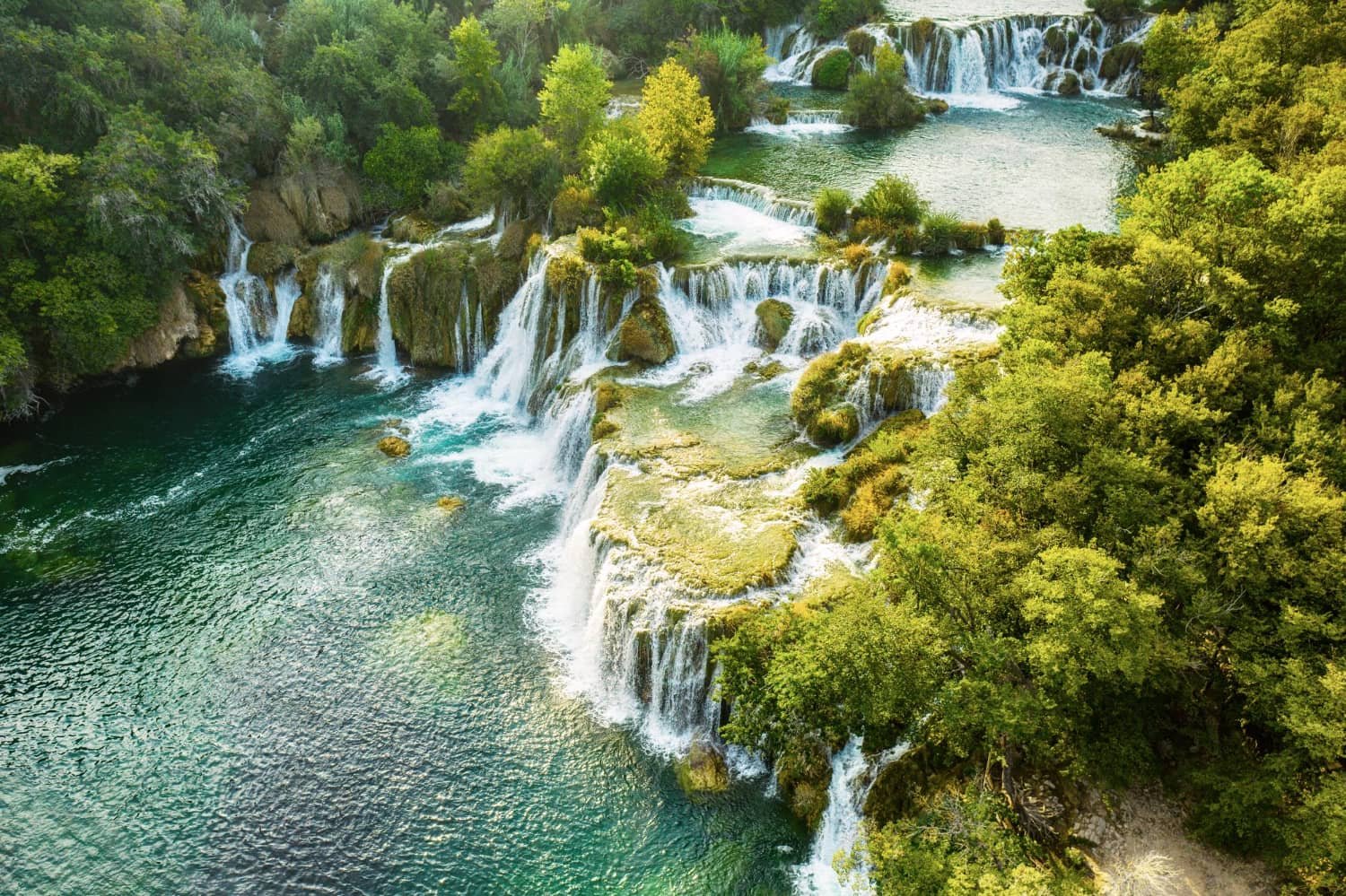
Croatia is home to some of the most remarkable UNESCO World Heritage Sites in Europe. From ancient Roman palaces and medieval coastal cities to breathtaking national parks and centuries-old agricultural landscapes, the country offers an incredible mix of cultural and natural attractions.
These UNESCO World Heritage Sites in Croatia preserve the nation’s rich history, architectural achievements, and natural beauty. Whether you are planning a road trip along the Adriatic coast or exploring Croatia’s inland treasures, these destinations deserve a place on your itinerary.
Why Croatia Has So Many UNESCO World Heritage Sites
Croatia’s location at the crossroads of Central Europe, the Mediterranean, and the Balkans has shaped its rich cultural heritage for thousands of years. Ancient Greeks, Romans, Venetians, Byzantines, Austro-Hungarians, and Croatians all left their mark on the region.
This unique history has resulted in an impressive collection of historic cities, religious monuments, archaeological treasures, and natural landscapes that have earned UNESCO recognition.
UNESCO World Heritage Sites in Croatia
In this article, we will embark on a virtual journey through some of the most remarkable UNESCO World Heritage Sites in Croatia, delving into their history, significance, and allure for travelers worldwide.
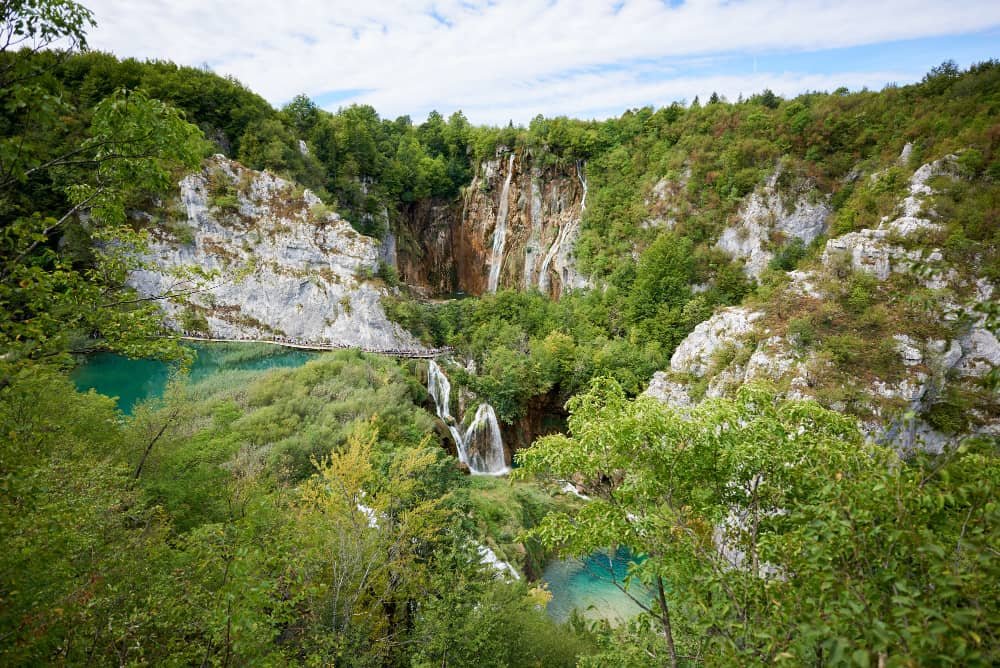
Plitvice Lakes National Park
Plitvice Lakes National Park in Croatia is a breathtaking natural wonder that has captivated visitors for centuries. Located in the heart of this Balkan country, the park encompasses 73,350 acres. This national park boasts an awe-inspiring collection of sixteen terraced lakes that cascade into each other through captivating waterfalls interconnected by cascading waterfalls and lush greenery.
Recognized as one of the UNESCO World Heritage Sites in Croatia, Plitvice Lakes National Park offers an unparalleled experience for nature enthusiasts and adventure seekers alike. With its pristine beauty and extraordinary biodiversity, it is no surprise that this protected area has become a must-visit destination for travelers from around the globe. In this article, we will delve into the mesmerizing allure of Plitvice Lakes National Park and explore why it holds such significance as one of Croatia’s most treasured natural landscapes.
The Plitvice Lakes National Park has been shaped by the gradual flow of water over limestone and chalk, forming interconnected lakes, waterfalls, and caves. The surrounding forests provide a habitat for diverse wildlife, including bears, wolves, and numerous endangered bird species.
If you’re planning a trip across the country, be sure to explore our guide to the Best Places To Visit In Croatia for more unforgettable destinations.

Historical Complex of Split with the Palace of Diocletian
Built in the early 4th century for the Roman Emperor Diocletian, the palace remains one of the best-preserved Roman monuments in the world. What makes it unique is that it is not simply an archaeological site but a living part of the modern city, with shops, restaurants, and homes incorporated into its ancient walls.
Today, visitors can explore underground chambers, historic courtyards, and impressive Roman architecture while experiencing the vibrant atmosphere of Split’s old town.
Few countries combine history, culture, and natural beauty quite like Croatia, making it one of Europe’s most rewarding destinations for travelers. Among these remarkable sites stands the Historical Complex of Split with the Palace of Diocletian, a jewel in Croatia’s crown.
Located on the stunning Dalmatian coast, on the eastern shores of the Adriatic Sea, this architectural marvel not only showcases the grandeur of ancient Roman design but also serves as a living testament to centuries of history and civilization. With its inclusion on UNESCO’s prestigious list, the Historical Complex of Split with the Palace of Diocletian has become a must-visit destination for travelers seeking to immerse themselves in Croatia‘s vibrant past while basking in its sun-kissed beauty.
Visitors exploring Diocletian’s Palace may also enjoy our guide to the top Things To Do In Split.

Historic city of Trogir
The historic city of Trogir, located on the central Adriatic coast of Croatia, is a true gem recognized for its outstanding universal value. It has been designated as one of the UNESCO World Heritage Sites in Croatia. Steeped in rich history and cultural significance, Trogir is renowned for its exceptionally well-preserved medieval architecture and captivating blend of Romanesque, Gothic, Renaissance, and Baroque styles.
Nestled on a small island between the mainland and the more oversized island of Čiovo, this enchanting city offers visitors a glimpse into Croatia’s illustrious past while providing endless opportunities to explore its narrow cobblestone streets, picturesque harbor, and magnificent landmarks.
As part of UNESCO since 1997, Trogir’s well-preserved medieval core offers visitors an enchanting journey through time. With its labyrinthine streets, ancient walls, and stunning buildings showcasing architectural styles spanning over 2,000 years, this picturesque city is a true gem for history enthusiasts and travelers alike. Walking through Trogir feels like stepping back in time, with historic buildings, narrow alleys, and beautiful waterfront views around every corner.
After exploring Trogir’s charming streets, consider visiting some of the Best Beaches In Croatia located along the Adriatic coast.

Old City of Dubrovnik
Dubrovnik, the enchanting city on Croatia’s Adriatic coast, is a testament to centuries of rich history and cultural heritage. Within its ancient walls lies the Old City of Dubrovnik, a UNESCO World Heritage Site that captivates visitors from around the globe.
Visitors are drawn to Dubrovnik for its impressive city walls, limestone streets, and spectacular Adriatic views. As one of the most prominent UNESCO World Heritage Sites in Croatia, the Old City of Dubrovnik offers an immersive experience of a bygone era, inviting travelers to step back in time and explore its fascinating past.
Dubrovnik flourished as a Maritime Republic in the Middle Ages, emerging as the sole city-state in the eastern Adriatic capable of competing with Venice. With its abundant resources and adept diplomacy, Dubrovnik attained an impressive stage of advancement, especially in the 15th and 16th centuries. This historical significance has led to its inclusion as a part of the UNESCO World Heritage sites in Croatia.
Before visiting the city walls and historic center, check out our complete Dubrovnik Travel Guide to help plan your trip.
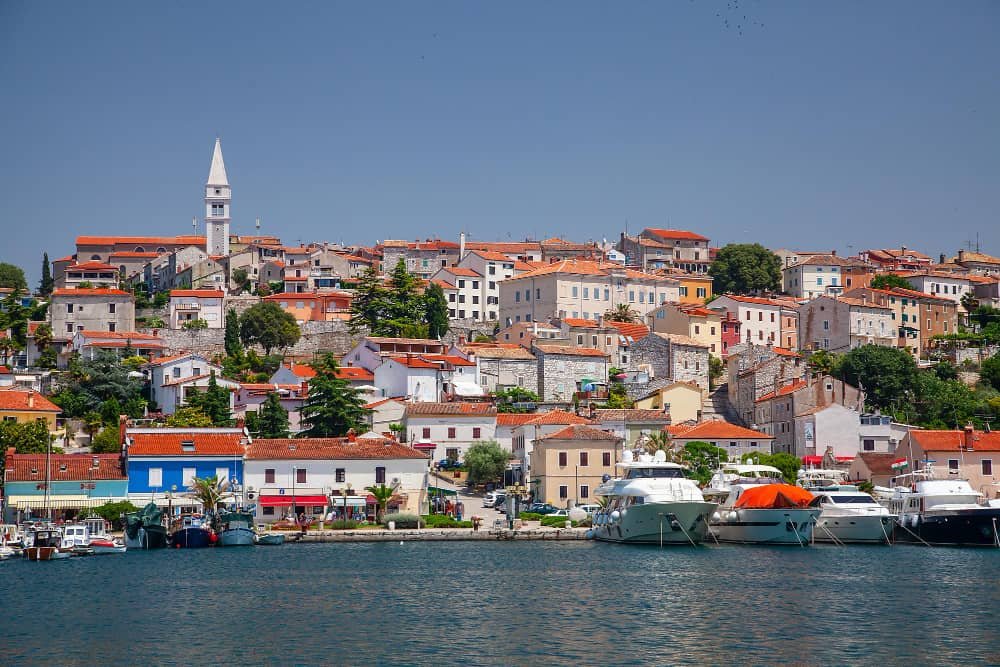
Episcopal Complex of the Euphrasian Basilica in the Historic Centre of Poreč
The Episcopal Complex of the Euphrasian Basilica, located in the historic center of Poreč, Croatia, is an enchanting UNESCO World Heritage Site that takes visitors on a journey through time. Steeped in history and architectural marvels, this complex is a testament to the region’s rich cultural heritage and religious significance.
Dating back to the Byzantine era, this remarkable site encompasses several structures, including the basilica, baptistery, episcopal palace, and bell tower. With its well-preserved mosaics and stunning architectural features, the Episcopal Complex of the Euphrasian Basilica offers a unique glimpse into Croatia’s past and continues to captivate travelers worldwide.
Travelers looking for lesser-known destinations should also discover more Hidden Gems In Croatia beyond the country’s most famous attractions.

Šibenik Cathedral of St James
The Šibenik Cathedral of St James, located in the picturesque town of Šibenik, Croatia, is a magnificent testament to medieval architecture and craftsmanship. This iconic cathedral holds a special place in the hearts of locals and tourists alike for its stunning beauty and rich historical significance.
Construction of the cathedral began in the 15th century and continued for more than a century. Its unique stone construction, intricate sculptures, and impressive dome make it one of the finest examples of Renaissance architecture in Croatia.
As one of the UNESCO World Heritage Sites in Croatia, it stands as a symbol of the country’s cultural heritage. It attracts visitors worldwide who marvel at its architectural splendor and learn about its fascinating history. Join us on a journey through time as we explore the captivating story behind this remarkable monument.
The cathedral, classified as one of the UNESCO World Heritage sites in Croatia, is an essential example of Renaissance architecture in the eastern Adriatic. It features a triple-nave basilica design with three apses and a dome that reaches a height of 32 meters (105 ft) on the inside.

Stari Grad Plain
The Stari Grad Plain, a UNESCO World Heritage site in Croatia, was established by ancient Greek colonists around 2400 years ago. Despite the passage of time, this agricultural landscape remains essentially unchanged and has been meticulously maintained, including preserving its original stone walls.
This plain, dating back to ancient times, is known for its well-preserved landscape and historical significance. As one of Europe’s oldest continuously cultivated areas, it offers a glimpse into the agricultural practices of the ancient Greeks and Romans who inhabited the area centuries ago. With its breathtaking beauty and historical importance, the Stari Grad Plain is a testament to human ingenuity and connection with nature throughout the ages.
While visiting Hvar Island, don’t miss our comprehensive Croatian Islands Guide for more inspiration on where to go next.
Stećci Medieval Tombstones Graveyards
The medieval tombstones graveyards of Steci are located in Dubravka and Cista Velika. With their enigmatic beauty and historical significance, these tombstones offer a glimpse into Croatia’s past and serve as a testament to the unique artistic expression of its people. This article explores the importance of Steci tombstone graveyards as UNESCO World Heritage Sites in Croatia, shedding light on their intricate design, cultural significance, and the efforts to preserve them for future generations to appreciate and admire.
These monolithic stone monuments were discovered in present-day Bosnia and Herzegovina, certain areas of Serbia, and Montenegro. These remarkable structures emerged during the 12th century and reached their pinnacle during the 14th and 15th centuries.
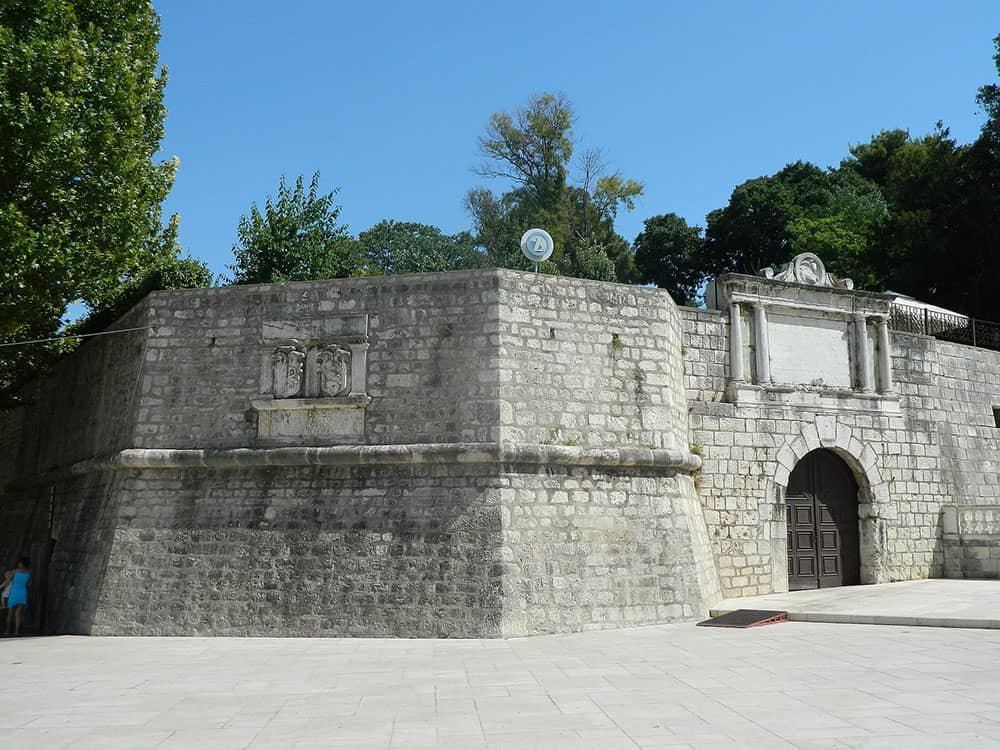
Venetian Works of defense between 15th and 17th centuries
Located in Croatia, the Venetian works of defense between the 15th and 17th centuries in Zadar and Šibenik are a testament to these coastal cities’ rich cultural heritage and strategic importance. Designated as UNESCO World Heritage Sites, these fortifications showcase the architectural prowess of the Venetians during their rule over this region.
With their intricate designs, innovative defensive systems, and strategic locations overlooking the Adriatic Sea, these defense works served as crucial protection against foreign invasions while reflecting their time’s artistic and technological advancements. These remarkable structures’ historical significance and unique features continue to captivate visitors worldwide.
These structures encompass six defense works in Italy, Croatia, and Montenegro and stretch over 1,000 kilometers from the Lombard region of Italy to the eastern Adriatic Coast. The advancement of gunpowder brought about notable changes in military strategies and architectural designs.
These impressive fortifications are often included among the Best UNESCO Sites In The Balkans thanks to their historical significance and architectural innovation.

Primeval Beech Forests of the Carpathians and Other Regions of Europe
The Primeval Beech Forests of the Carpathians, spread across various regions in Europe, are a testament to the continent’s rich natural heritage. These ancient woodlands have been designated as UNESCO World Heritage Sites for their outstanding universal value and unparalleled biodiversity. Croatia, which boasts its collection of primeval beech forests, is among the countries that proudly host these pristine forests.
These protected forests represent some of the last remaining examples of Europe’s ancient beech ecosystems. The Croatian sections of the UNESCO site provide valuable habitat for wildlife and offer researchers insight into how forests developed naturally over thousands of years.
Visitors who enjoy nature, hiking, and biodiversity will appreciate the untouched beauty of these forests and their importance to Europe’s environmental heritage.
Tips For Visiting UNESCO World Heritage Sites In Croatia
Exploring UNESCO World Heritage Sites in Croatia is one of the best ways to experience the country’s history, culture, and natural beauty. A little planning can help you avoid crowds and make the most of your visit.
- Visit popular sites such as Dubrovnik and Plitvice Lakes early in the day to enjoy a quieter experience and better photo opportunities.
- Purchase tickets online whenever possible, especially during the busy summer season.
- Explore beyond the major cities to discover lesser-known UNESCO sites such as Trogir, Stari Grad Plain, and the Euphrasian Basilica in Poreč.
- Respect local customs, cultural traditions, and conservation guidelines when visiting historic monuments and religious sites.
- Stay on marked paths and follow park regulations when exploring natural heritage sites.
- Consider visiting during spring or autumn when temperatures are pleasant and tourist crowds are smaller.
- Hire local guides to gain a deeper understanding of Croatia’s rich history and cultural heritage.
By traveling responsibly and respecting these remarkable landmarks, visitors can help preserve Croatia’s UNESCO World Heritage Sites for future generations while enjoying some of the country’s most unforgettable destinations.
Frequently Asked Questions About UNESCO World Heritage Sites in Croatia
How many UNESCO World Heritage Sites are in Croatia?
Croatia is home to ten UNESCO World Heritage Sites, including both cultural and natural landmarks. These sites range from ancient Roman monuments and medieval cities to breathtaking natural landscapes such as Plitvice Lakes National Park.
Which UNESCO site is the most visited in Croatia?
The Old City of Dubrovnik and Plitvice Lakes National Park are among the most visited UNESCO World Heritage Sites in Croatia. Both attract millions of visitors thanks to their historical significance, stunning scenery, and international reputation.
Is Plitvice Lakes National Park worth visiting?
Yes, Plitvice Lakes National Park is widely considered one of the most beautiful natural attractions in Europe. Its crystal-clear lakes, cascading waterfalls, wooden walkways, and diverse wildlife make it a highlight of any trip to Croatia.
What is Croatia’s newest UNESCO World Heritage Site?
Croatia participates in several transnational UNESCO heritage listings, including the Primeval Beech Forests of the Carpathians and Other Regions of Europe. UNESCO occasionally expands existing heritage designations, so the newest listing may change over time.
When is the best time to visit UNESCO sites in Croatia?
Spring (April to June) and autumn (September to October) are often considered the best times to visit Croatia’s UNESCO sites. During these seasons, the weather is pleasant, crowds are smaller, and many attractions are easier to explore than during the peak summer months.
Are Croatia’s UNESCO World Heritage Sites worth visiting?
Absolutely. Croatia’s UNESCO World Heritage Sites offer a unique combination of history, architecture, culture, and natural beauty. Whether you are exploring the ancient streets of Dubrovnik, wandering through Diocletian’s Palace in Split, or admiring the waterfalls of Plitvice Lakes, these sites provide some of the country’s most memorable travel experiences.
Can you visit multiple UNESCO sites in Croatia on one trip?
Yes. Many of Croatia’s UNESCO World Heritage Sites are located along the Adriatic coast, making it easy to combine destinations such as Split, Trogir, Šibenik, Stari Grad, and Dubrovnik into a single itinerary.
Final Thoughts On UNESCO World Heritage Sites In Croatia
Croatia’s UNESCO World Heritage Sites offer an incredible journey through centuries of history, culture, and natural beauty. From the turquoise lakes and waterfalls of Plitvice Lakes National Park to the ancient streets of Dubrovnik, the Roman grandeur of Diocletian’s Palace, and the timeless agricultural landscape of Stari Grad Plain, each site tells a unique story about the country’s rich heritage.
Whether you are passionate about history, architecture, archaeology, or nature, these UNESCO-listed destinations provide some of the most rewarding travel experiences in Europe. They not only preserve Croatia’s past but also help future generations appreciate the traditions, landscapes, and achievements that have shaped the nation.
As you plan your travels, be sure to include some of these remarkable UNESCO World Heritage Sites in Croatia on your itinerary. Each one offers a deeper understanding of the country’s fascinating history and showcases why Croatia remains one of the most captivating destinations in the Balkans.
If you are planning a broader journey through Southeastern Europe, our detailed Balkan Travel Guide can help you discover even more remarkable destinations across the region.