


The Balkans are home to some of Europe’s most fascinating historical landmarks, ancient cities, natural wonders, and cultural treasures. Over the years, UNESCO has recognized many of these places for their outstanding universal value, helping preserve them for future generations.
From coastal fortresses and medieval towns to wild river valleys and underground cave systems, the Balkans offer an incredible variety of UNESCO-recognized attractions. Each site tells a different story and reflects the rich history, culture, and natural beauty that make this region so fascinating to explore.
Whether you are planning a trip through Croatia, Albania, Slovenia, or neighboring countries, these UNESCO-listed locations deserve a place on your travel itinerary.
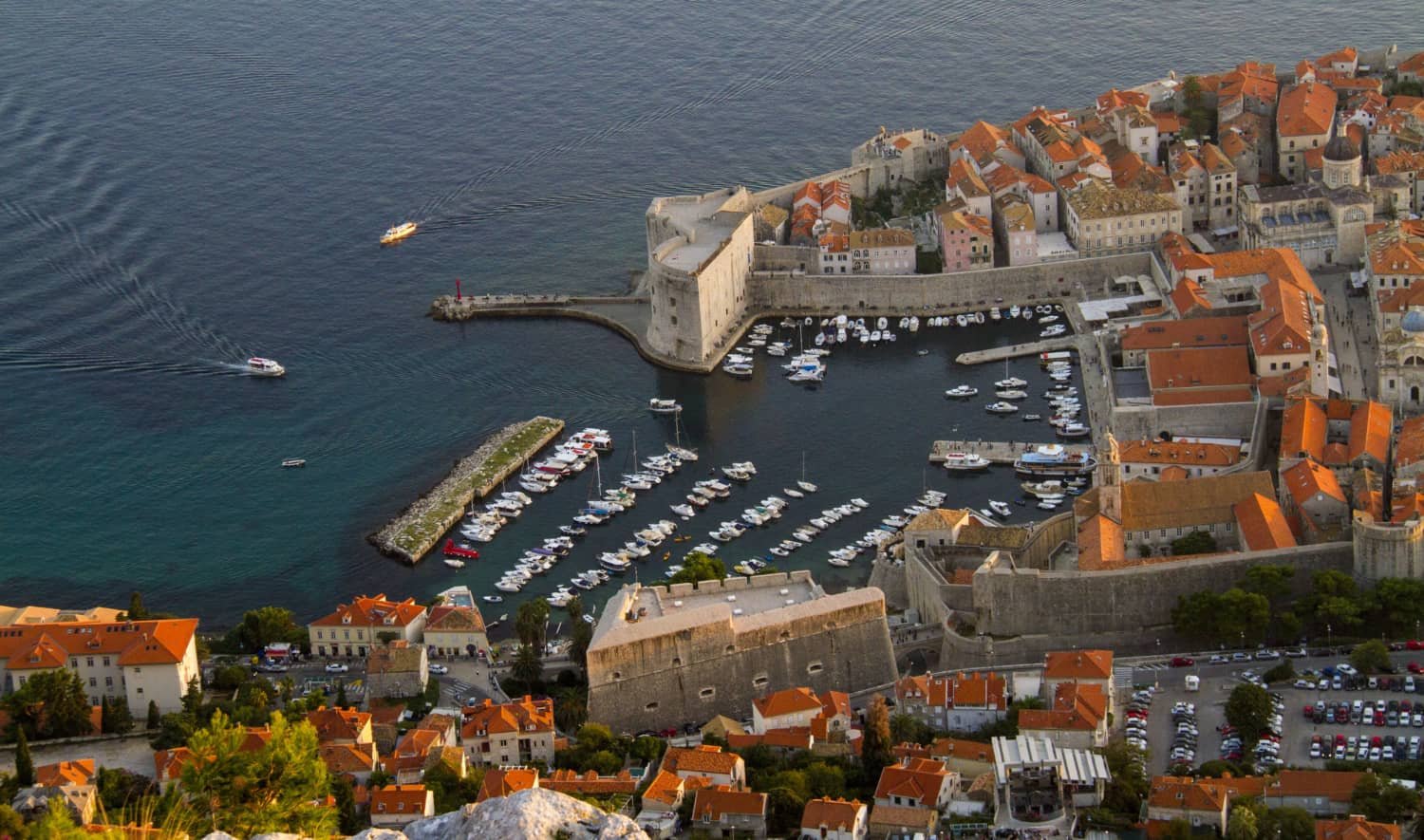
If you want to see paradise on Earth, come to Dubrovnik.
George Bernard Shaw
What Are UNESCO World Heritage Sites?
UNESCO World Heritage Sites are cultural, natural, or mixed locations recognized by the United Nations Educational, Scientific and Cultural Organization (UNESCO) for their outstanding universal value. These sites are considered important to humanity because of their historical significance, architectural achievements, cultural traditions, or exceptional natural beauty.
UNESCO designation helps protect these places through conservation efforts, international cooperation, and increased public awareness. Today, UNESCO World Heritage Sites can be found across the globe, preserving everything from ancient cities and historic monuments to national parks and unique ecosystems.
Understanding the importance of UNESCO recognition helps travelers better appreciate the New UNESCO Heritage Sites in the Balkans featured in this guide.
Why The Balkans Have So Many UNESCO Heritage Sites
The Balkans have one of the richest cultural and historical landscapes in Europe. For thousands of years, the region has served as a crossroads between civilizations, connecting Eastern and Western Europe, the Mediterranean, and the Near East. As a result, the Balkans have been influenced by ancient Greeks, Romans, Byzantines, Ottomans, Venetians, and many other cultures.
This unique blend of civilizations has created an extraordinary collection of historic cities, religious monuments, fortresses, archaeological sites, and cultural traditions. In addition to its cultural heritage, the Balkans are home to stunning natural wonders, including mountains, rivers, lakes, forests, and cave systems that have earned international recognition.
Today, UNESCO Heritage Sites in the Balkans help preserve these important cultural and natural treasures while allowing visitors to experience the region’s fascinating history and breathtaking landscapes firsthand.
This rich history explains why many New UNESCO Heritage Sites in the Balkans continue to attract international attention.
New UNESCO Heritage Sites in the Balkans
The Balkans are home to some of Europe’s most remarkable UNESCO World Heritage Sites. From medieval fortresses and ancient cities to pristine rivers and spectacular cave systems, the region offers an incredible variety of cultural and natural treasures.
These UNESCO Heritage Sites in the Balkans showcase centuries of history, architectural achievements, and unique landscapes that continue to attract visitors from around the world. Each site tells a story about the civilizations, traditions, and natural wonders that have shaped Southeastern Europe.
Historic Defensive Walls of Zadar
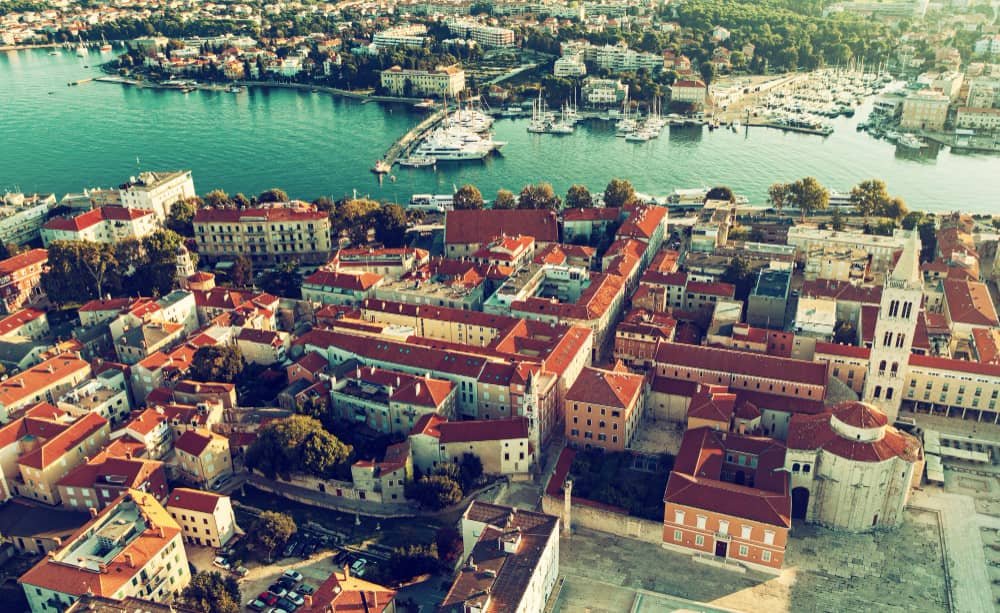
One of the notable new UNESCO heritage sites in the Balkans is the historic defensive wall of Zadar. These walls, dating back to Roman times, have significantly protected the city throughout its history. The defensive system consists of intricate fortifications and gates that encircle the old town, creating a picturesque and well-preserved architectural ensemble.
The construction of these defensive walls began during Roman rule in the 1st century BC and continued through subsequent periods, including Byzantine, Venetian, and Austrian rule. The walls extend for about two kilometers and comprise stone, brick, and marble. They feature numerous bastions, towers, and gates that were added over time to enhance their defensive capabilities.
Travelers interested in Croatia’s cultural heritage can also explore our guide to the Best UNESCO Sites in Croatia.
For centuries, these walls protected Zadar from attacks while also showcasing the city’s importance as a major Adriatic trading and military center. Today, they stand as a testament to the city’s rich past and serve as a reminder of its strategic importance throughout the centuries.
Today, visitors can walk along sections of the historic walls and enjoy panoramic views of Zadar’s old town, the Adriatic Sea, and the surrounding coastline. The fortifications remain one of Croatia’s most impressive examples of military architecture and continue to symbolize the city’s resilience through centuries of change.
The Historic Defensive Walls of Zadar are among the most fascinating New UNESCO Heritage Sites in the Balkans for travelers interested in military architecture and maritime history.

St. Nicholas Fortress in Šibenik
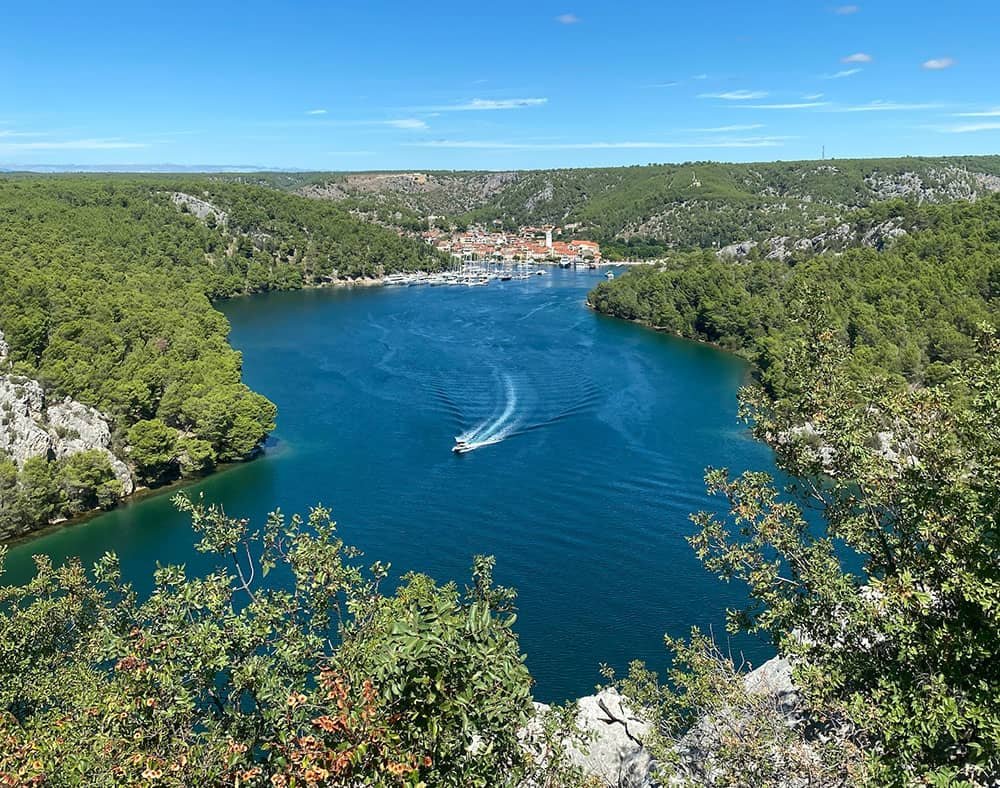
Next on our list of the new UNESCO World Heritage Sites in the Balkans is the St. Nicholas Fortress in Sibenik, Croatia. Built in the 16th century as a defense system against Ottoman invasions, this fortress stands as a testament to its time’s architectural and strategic brilliance. Located at the entrance of St. Anthony’s Channel, it served as an essential maritime defensive structure for centuries.
The St. Nicholas Fortress is renowned for its unique design, characterized by triangular bastions connected by high walls and a central tower. This layout allowed for effective defense against enemy attacks from both land and sea. Today, visitors can marvel at this remarkable structure that has withstood countless battles and retains its original features.
Apart from its historical significance, the fortress offers breathtaking views of the surrounding landscape and crystal-clear waters. Its location near several other historic sites, such as the Cathedral of St. James and Krka National Park, makes it an ideal destination for history enthusiasts and nature lovers to explore Croatia’s rich cultural heritage.
Among the New UNESCO Heritage Sites in the Balkans, St. Nicholas Fortress stands out for its innovative Renaissance design and strategic coastal location.
UNESCO recognition has helped highlight the fortress’s historical importance and ensured ongoing preservation efforts. Today, St. Nicholas Fortress is one of Croatia’s most fascinating coastal landmarks and an excellent example of Renaissance military engineering.
In addition to the two recently added UNESCO World Heritage sites, Croatia proudly showcases 7 additional UNESCO sites that offer a captivating journey through the rich history of this remarkable nation.
Uncover the wonders of Diocletian’s Palace in Split or marvel at the magnificent Cathedral of St. James in Šibenik. Explore the enchanting Old Town of Dubrovnik, often hailed as the Adriatic’s Pearl, or wander through the historic district of Trogir, where the Trogir Cathedral stands as a must-visit attraction, representing the pinnacle of Romanesque and Gothic art in Croatia.
After visiting St. Nicholas Fortress, consider exploring other destinations featured in our Best Places to Visit in Croatia guide.
Albania’s Gashi River
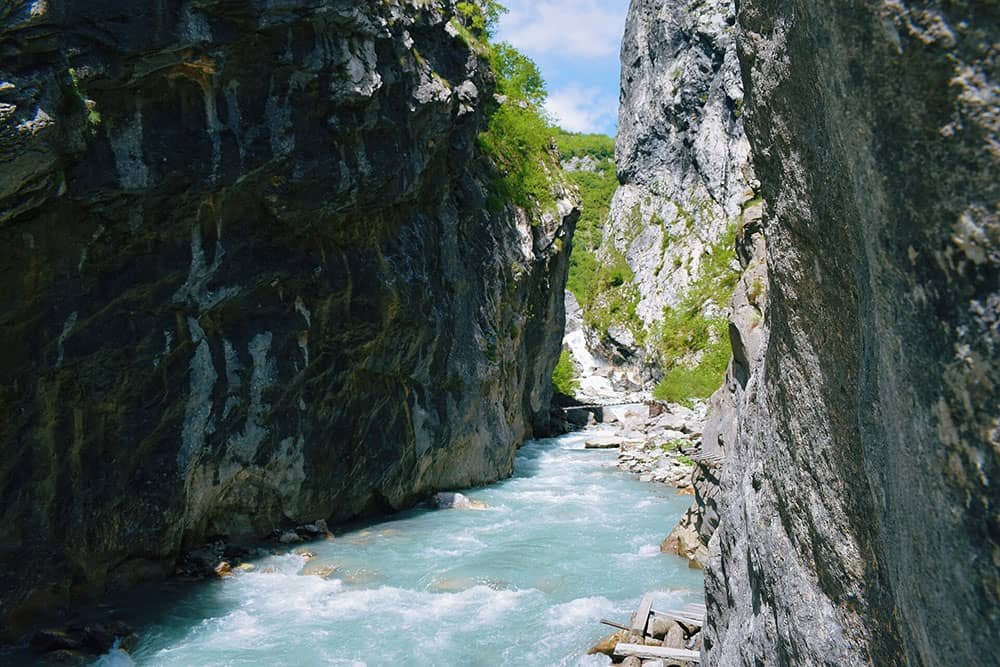
Several UNESCO Heritage Sites in the Balkans have gained international recognition for their cultural and natural significance, attracting travelers from around the world. One such site is Albania’s Gashi River. Flowing through a pristine valley dotted with rugged mountains and lush greenery, this hidden gem offers a unique blend of natural beauty and cultural heritage. Including Gashi River as a UNESCO site recognizes its ecological significance and highlights its historical and archaeological importance.
Surrounded by dramatic mountain landscapes and dense forests, the Gashi River is one of Albania’s hidden natural treasures. Visitors can enjoy peaceful hiking trails, dramatic mountain scenery, and a rare chance to experience one of Albania’s most untouched natural areas.
Nature enthusiasts often consider Albania’s Gashi River one of the most beautiful New UNESCO Heritage Sites in the Balkans.
UNESCO recognition has helped protect the river’s unique ecosystem and the ancient beech forests that surround it. Today, the area attracts nature lovers, hikers, photographers, and travelers looking to explore a quieter and less-discovered side of Albania.
Nature lovers should also check out our Best Places to Visit in Albania article for more stunning landscapes.
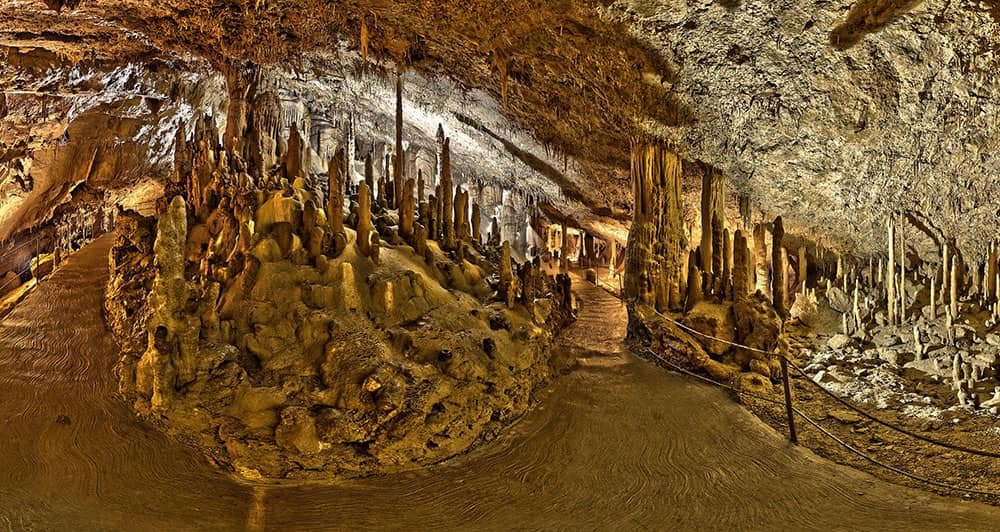
Škocjan Caves
The Škocjan Caves in Slovenia are among the most spectacular underground cave systems in Europe. Carved by the Reka River over millions of years, the caves feature enormous chambers, dramatic rock formations, and one of the world’s largest underground river canyons.
The caves are famous for their enormous underground chambers, rushing river, and unique karst formations that have developed over millions of years. Walking through the vast caverns and crossing bridges suspended high above the river is an unforgettable experience for visitors.
The Škocjan Caves demonstrate why New UNESCO Heritage Sites in the Balkans appeal to both adventure travelers and nature lovers.
Beyond their scientific importance, the Škocjan Caves are also one of Slovenia’s most popular natural attractions, drawing travelers who want to explore one of the Balkans’ most extraordinary natural wonders.
Slovenia offers many incredible attractions beyond the caves, which you can discover in our Best Places to Visit in Slovenia guide.
Other UNESCO Heritage Sites Worth Visiting In The Balkans
While these UNESCO Heritage Sites in the Balkans continue to attract visitors, the region is also home to many other world-renowned UNESCO landmarks that showcase its rich cultural and historical heritage.
Travelers interested in exploring even more UNESCO Sites in the Balkans will find countless cultural landmarks, historic cities, monasteries, and natural wonders throughout the region.
Some of the most popular UNESCO sites in the Balkans include:
- Old City of Dubrovnik, Croatia – One of the best-preserved medieval cities in Europe, famous for its ancient walls and stunning Adriatic coastline.
- Diocletian’s Palace, Croatia – A remarkable Roman palace complex in Split that remains a vibrant part of the modern city.
- Lake Ohrid, North Macedonia – One of Europe’s oldest and deepest lakes, recognized for both its natural beauty and cultural significance.
- Studenica Monastery, Serbia – A masterpiece of medieval Serbian architecture and an important spiritual center.
- Meteora, Greece – Famous for its monasteries perched atop dramatic rock formations, creating one of Europe’s most spectacular landscapes.
- Stećci Medieval Tombstones Graveyards – Unique medieval monuments found across several Balkan countries that reflect the region’s diverse cultural history.
Together, these sites demonstrate why the Balkans remain one of Europe’s most rewarding regions for travelers interested in history, culture, and nature. Whether you are interested in ancient civilizations, medieval landmarks, or breathtaking scenery, the Balkans offer countless UNESCO-listed attractions worth exploring.
While this article focuses on several New UNESCO Heritage Sites in the Balkans, the region offers many other UNESCO-listed destinations worth exploring.
Tips For Visiting UNESCO Sites In The Balkans
When exploring UNESCO Heritage Sites in the Balkans, a little planning can help you make the most of your visit while supporting preservation efforts. These historic landmarks and natural wonders are some of the region’s most valuable treasures, so responsible travel is essential.
- Visit early in the morning or later in the afternoon to avoid crowds and enjoy a more peaceful experience.
- Follow local conservation rules and guidelines designed to protect cultural and natural heritage.
- Hire local guides to gain deeper insights into the history, traditions, and significance of each site.
- Support nearby businesses, family-owned accommodations, and local restaurants whenever possible.
- Stay on marked trails and designated paths when visiting natural heritage sites.
- Respect cultural, religious, and historical customs when exploring monuments, churches, monasteries, and archaeological sites.
- Bring reusable water bottles and minimize waste to help preserve the environment.
- Check seasonal opening hours and weather conditions before visiting outdoor attractions.
Responsible tourism helps preserve these extraordinary UNESCO Heritage Sites in the Balkans while supporting local communities and ensuring future generations can continue to enjoy them. This simple effort allows travelers to contribute positively to the protection of some of Europe’s most important cultural and natural landmarks.
Why UNESCO Recognition Matters
UNESCO World Heritage designation helps protect important cultural and natural sites that hold exceptional value for humanity. Recognition often brings increased conservation efforts, funding opportunities, and international awareness, ensuring these remarkable places are preserved for future generations.
For local communities across the Balkans, UNESCO status can support sustainable tourism, create economic opportunities, and encourage the preservation of traditions, architecture, and natural landscapes. These benefits help strengthen local economies while safeguarding the region’s unique cultural identity.
As tourism continues to grow throughout Southeastern Europe, responsible travel plays an important role in ensuring that UNESCO Heritage Sites in the Balkans remain protected and accessible for years to come. By visiting respectfully and supporting local communities, travelers can contribute to the preservation of these extraordinary destinations.
The continued preservation of New UNESCO Heritage Sites in the Balkans helps protect the region’s unique cultural and natural heritage.
FAQ About New UNESCO Heritage Sites in the Balkans
How many UNESCO World Heritage Sites are in the Balkans?
The Balkans contain dozens of UNESCO World Heritage Sites spread across countries including Croatia, Slovenia, Albania, Serbia, Bosnia and Herzegovina, Montenegro, Greece, Bulgaria, Romania, Kosovo, and North Macedonia.
Which Balkan country has the most UNESCO sites?
Croatia and Greece are among the Balkan countries with the largest number of UNESCO World Heritage Sites, featuring a mix of cultural landmarks, historic cities, and natural wonders.
Are UNESCO sites in the Balkans worth visiting?
Yes. UNESCO sites in the Balkans offer a unique combination of history, architecture, culture, and natural beauty that attracts travelers from around the world.
What is the newest UNESCO site in the Balkans?
The newest UNESCO listings vary as UNESCO adds new sites each year. Travelers should check the latest UNESCO announcements for the most recently designated sites in the Balkans.
Can you visit UNESCO World Heritage Sites year-round?
Most UNESCO Heritage Sites in the Balkans can be visited year-round, though spring and autumn are often considered the best seasons for pleasant weather and smaller crowds. Some natural sites may have limited access during winter months.
Why are new UNESCO Heritage Sites important?
New UNESCO Heritage Sites in the Balkans help preserve important cultural landmarks and natural environments while encouraging sustainable tourism and international recognition.
Final Thoughts On New UNESCO Heritage Sites In The Balkans
The new UNESCO Heritage Sites in the Balkans highlight the remarkable diversity that makes this region one of Europe’s most rewarding destinations. From the historic defensive walls of Zadar and the impressive St. Nicholas Fortress in Croatia to Albania’s pristine Gashi River and Slovenia’s spectacular Škocjan Caves, each site tells a unique story about the Balkans’ cultural and natural heritage.
Whether you are interested in history, architecture, archaeology, or breathtaking landscapes, these UNESCO-recognized destinations offer unforgettable experiences. As more travelers discover the beauty of the Balkans, preserving these treasures becomes increasingly important so future generations can continue to enjoy and learn from them.
These remarkable landmarks are just a few of the many UNESCO World Heritage Sites in the Balkans that showcase the region’s incredible diversity. If you are planning a multi-country adventure, our Balkan Travel Guide can help you build the perfect itinerary. Many of these destinations are also featured among the Most Beautiful Places in the Balkans and Hidden Gems in the Balkans.